Why Michael Saylor Won't Panic Over His Bitcoin Losses
Sarah Williams ·
Listen to this article~4 min
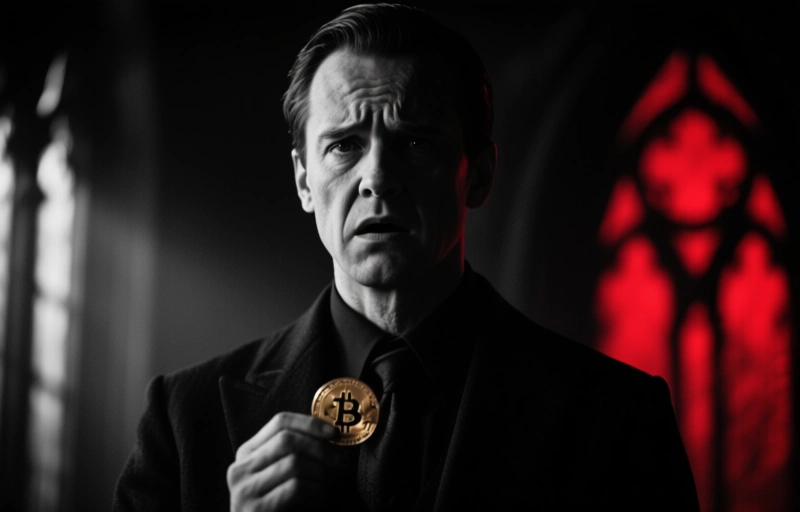
Michael Saylor's Bitcoin holdings are at a loss, but his long-term conviction and corporate strategy mean panic selling is off the table. Here's why.
So, Michael Saylor's massive Bitcoin investment is officially underwater. That's the headline grabbing attention across crypto news feeds today. For those who don't know, Saylor's company, MicroStrategy, has been the most aggressive corporate buyer of Bitcoin out there. They've stacked up a huge amount, and right now, the market value is below their average purchase price. It's a headline that could easily trigger panic. But if you've followed Saylor at all, you know he's not your average investor. He's not reaching for the panic button, and honestly, you shouldn't be surprised.
Let's break it down. The crypto market is volatile—we all know that. Prices swing wildly, and today's loss can be tomorrow's gain. Saylor didn't get into this for a quick flip. He's been crystal clear from the start: this is a long-term strategic play. He views Bitcoin as a superior store of value, a digital property that outpaces traditional assets over time. So, a dip in price? It's just noise to him. It's the long-term trajectory that matters.
### The Long-Term Vision Behind the Stack
Saylor's approach isn't about quarterly earnings or reacting to daily charts. It's a fundamental belief in Bitcoin's technology and its role in the future of finance. He's talked endlessly about it being "digital gold" and a hedge against inflation. When you have that kind of conviction, short-term market movements don't shake you. You're playing a different game entirely. Think of it like buying prime real estate in a new city everyone says will boom. You don't sell just because the price dips one month. You hold because you believe in the city's future.
Other investors might be sweating, but Saylor's strategy is built for this. He's not leveraged in a way that forces a sale. MicroStrategy isn't facing margin calls. They can afford to wait. And that's a powerful position to be in. It lets them ignore the fear and uncertainty that grips so much of the market. While others are reacting, they're just holding. Or maybe even looking for opportunities to buy more.
### What This Means for Crypto Markets
This situation is actually a fascinating case study. It shows the difference between speculative trading and true conviction investing. Saylor's public stance—h
is refusal to panic—can have a stabilizing effect. It sends a message to the market that not all major players are running for the exits. For professionals watching crypto today, it's a reminder to separate signal from noise.
Here are a few key reasons why a sell-off from Saylor is highly unlikely:
- **Deep Conviction:** His public statements and actions show a belief in Bitcoin's core value proposition that goes beyond price.
- **Corporate Strategy:** Bitcoin is integrated into MicroStrategy's long-term treasury strategy, not a short-term trade.
- **Financial Position:** The company's structure allows it to withstand volatility without being forced to liquidate.
- **Historical Pattern:** He's consistently advocated buying and holding through downturns, practicing what he preaches.
In a recent interview, he summed up the mindset perfectly: *"You don't sell your strategy because of market volatility. You commit to it."* That quote really captures the essence of his approach. It's not about timing the market; it's about time in the market.
So, what's the takeaway for the rest of us? Watching a figure like Saylor can be educational. It highlights the importance of having a clear strategy and the mental fortitude to stick with it when things get rough. The crypto news cycle is filled with panic and euphoria. His current situation is a masterclass in tuning that out. The next time you see a scary headline about big losses, remember this moment. Sometimes, the most powerful move is to do nothing at all. The market will do what it does. True believers keep stacking, waiting for their thesis to play out. And if history is any guide, betting against Saylor's patience hasn't been a wise move.