Kidnapping Ransom Note Demands Millions in Bitcoin
Dr. Anja Schmidt ·
Listen to this article~4 min
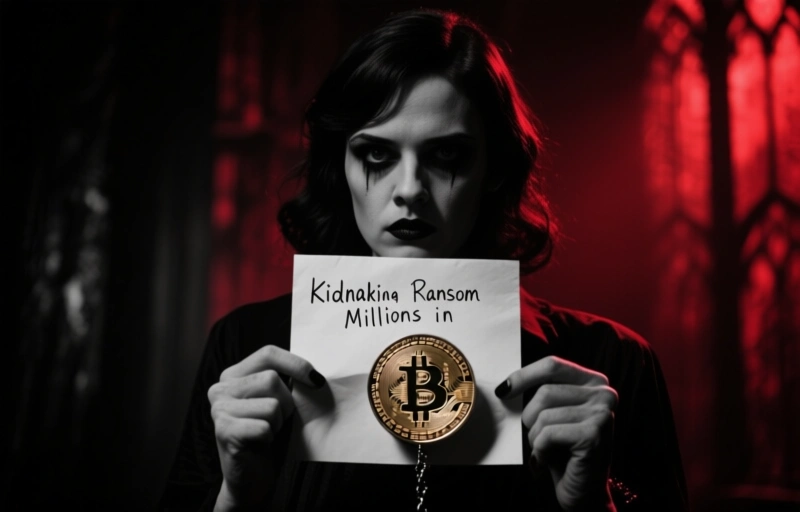
An alleged ransom note in the Nancy Guthrie kidnapping demands millions in Bitcoin, highlighting how cryptocurrency is used in high-stakes crime and the challenges for investigators.
A chilling development has emerged in the Nancy Guthrie kidnapping case. An alleged ransom note has surfaced, demanding a payment of millions of dollars—specifically in Bitcoin. This isn't just another crime story. It's a stark example of how cryptocurrency is being weaponized in high-stakes criminal enterprises.
Let's break down what this means. When criminals demand payment in Bitcoin, they're banking on the perceived anonymity of blockchain transactions. They think it's untraceable. But here's the thing—it's not that simple. While Bitcoin offers pseudonymity, law enforcement agencies have become increasingly sophisticated at following the digital trail.
### Why Bitcoin for Ransom?
Criminals are drawn to cryptocurrency for a few key reasons. First, it allows for cross-border transactions without traditional banking systems. There's no need to physically move cash across borders or deal with currency exchanges. Second, they believe it offers a layer of separation from their real-world identity. They create a digital wallet, receive the funds, and hope to cash out before anyone connects the dots.
But this case highlights the double-edged sword of crypto in crime:
- **Speed**: Transactions can be completed in minutes, not days.
- **Global Access**: Funds can be sent and received anywhere with internet.
- **Perceived Anonymity**: The false belief that Bitcoin is completely untraceable.
- **Irreversibility**: Once sent, payments generally cannot be reversed.

### The Investigative Challenge
This puts investigators in a tough spot. They're racing against time while navigating complex blockchain analysis. Every transaction is recorded on a public ledger, creating a permanent record. The challenge isn't finding the transactions—it's connecting those digital addresses to real people. Specialized firms now work alongside the FBI and other agencies to trace these funds through the blockchain, often following money through multiple wallets and exchanges.
As one cybersecurity expert recently noted, "The blockchain doesn't forget. Every move leaves a fingerprint, and we're getting better at reading those prints every day."
### What This Means for Crypto's Reputation
Incidents like this don't happen in a vacuum. They fuel the narrative that cryptocurrency is primarily a tool for criminals. That's a frustrating oversimplification for those of us who see its legitimate potential. Yes, bad actors use it—just like they used numbered Swiss bank accounts for decades. But focusing only on criminal use ignores the technology's transformative possibilities for finance, ownership, and transparency.
Still, we can't ignore the reality. High-profile cases where Bitcoin is demanded for ransom reinforce public skepticism. They give ammunition to regulators pushing for stricter controls. And they make it harder for everyday people to separate the technology from the criminal activity sometimes associated with it.
### The Bigger Picture
Looking beyond this specific case, we're seeing a pattern. Cryptocurrency demands in kidnappings and ransomware attacks are becoming more common. The amounts are getting larger too. What used to be thousands of dollars in untraceable bills has become millions in digital currency. This evolution forces us to ask difficult questions about security, regulation, and the very nature of value in the digital age.
For professionals watching the crypto space, this is more than just news. It's a case study in real-time. How will law enforcement respond? Will the Bitcoin be traced? What precedent does this set for future cases? The answers will shape not just this investigation, but the ongoing conversation about cryptocurrency's role in our society.
The truth is, technology is neutral. It's how we use it that defines its value—or its danger. As this case unfolds, it serves as a powerful reminder that with great innovation comes great responsibility, and sometimes, great risk.