Bitcoin Falls Below $78K After Trump's Fed Pick Kevin Warsh
Sarah Williams ·
Listen to this article~4 min
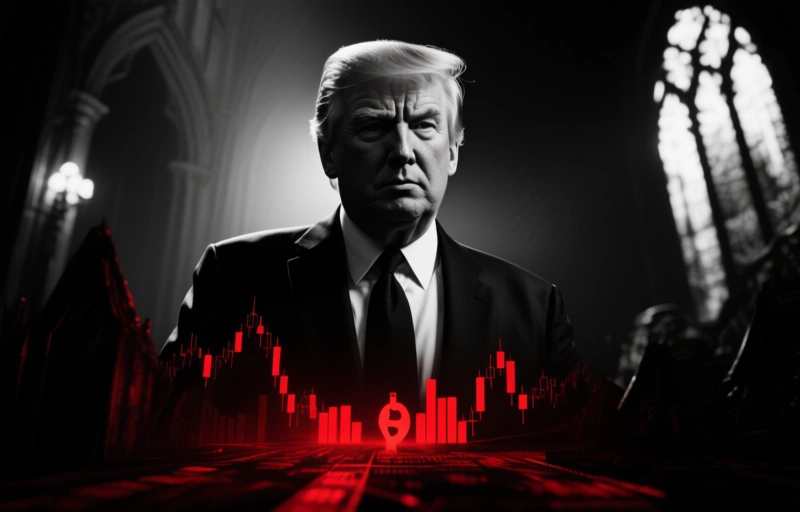
Bitcoin plunges below $78,000 following news that Donald Trump plans to appoint Kevin Warsh as Federal Reserve Chair, highlighting crypto's growing sensitivity to traditional political and monetary policy shifts.
Bitcoin just took a sharp dip, dropping below that key $78,000 level. And the trigger? A major political move that's got the entire financial world talking. Former President Donald Trump has reportedly tapped Kevin Warsh to lead the Federal Reserve if he wins the upcoming election.
That's big news. It's the kind of announcement that sends ripples through traditional markets, and as we're seeing today, it hits crypto just as hard. The connection between Fed leadership and Bitcoin might not seem obvious at first, but it's actually pretty direct when you think about it.
### Why The Fed Matters To Your Bitcoin
Let's break this down simply. The Federal Reserve controls the U.S. dollar—its supply, its interest rates, everything. When the Fed makes money cheap (low rates), investors often look for higher returns elsewhere. That's been a tailwind for assets like Bitcoin.
A new Fed chair means potential policy shifts. Kevin Warsh is known for being more hawkish—that's financial speak for being tougher on inflation, which could mean higher interest rates for longer. Higher rates typically make holding dollars more attractive compared to volatile assets. So, the market's immediate reaction? Sell the speculative stuff, including crypto.
It's a classic "risk-off" move. Traders are pulling money out of what they see as risky bets and moving to safer ground while they assess what a Warsh-led Fed would mean.
### Reading The Market's Nervous Signal
This price drop isn't just about a number. It's a signal. The crypto market is telling us it's deeply connected to traditional finance and political events. Gone are the days when Bitcoin operated in its own little bubble.
Here's what seasoned traders are watching now:
- **Support Levels:** Can Bitcoin hold above $75,000? That's the next major test.
- **Market Sentiment:** Fear is creeping in. The Crypto Fear & Greed Index will likely swing.
- **Long-term Narrative:** Does this change Bitcoin's story as a hedge? Not really, but it tests the theory.
As one analyst put it recently, "Crypto markets have graduated to reacting to macro news. That's a sign of maturity, even if the price action feels painful."
### What This Means For Crypto Investors
First, don't panic. Volatility is part of the package with cryptocurrency. These headline-driven swings happen. The key is understanding the *why* behind the move, not just reacting to the red on your screen.
If you're in this for the long haul, a single news event—even a big one about the Fed—shouldn't derail your strategy. It might, however, present a buying opportunity for those who believe in the long-term trend. If you're trading short-term, you need a plan for this increased volatility. Set your stop-losses, take some profits if you're up, and don't let emotions drive your decisions.
Remember, the market often overreacts to news initially. The dust will settle, and the real trend will reassert itself. Your job is to separate the noise from the signal.
### Looking Beyond The Headline Drop
Let's zoom out for a second. Yes, Bitcoin is down on this news. But the larger story is about crypto's integration into the global financial system. The fact that a potential Fed appointment moves the market this much proves that digital assets are now a core part of the conversation.
This integration brings both challenges and opportunities. More correlation with traditional markets can mean more short-term volatility. But it also means more legitimacy, more institutional interest, and ultimately, a larger role in the world's economy.
So, watch the price, sure. But also watch how the narrative evolves. Today's dip is a chapter in a much longer book. The real question isn't what Bitcoin does tomorrow, but where it stands a year from now in a potentially new financial landscape.